Newsletter Subscribe
Enter your email address below and subscribe to our newsletter

 ByJohn A
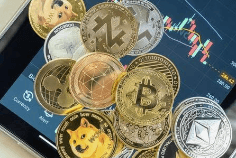
Altcoins are cryptocurrencies other than Bitcoin, created to extend or complement the original blockchain model. They often pursue faster transactions, improved scalability, or new features like smart contracts and programmable tokens. Differences arise in consensus mechanisms, scripting abilities, and governance. Each altcoin targets specific use cases—payments, DeFi, asset tokenization, oracles—while presenting varied security, fee structures, and upgrade paths. Understanding these trade-offs can clarify where opportunities and risks may lie.
Altcoins are cryptocurrencies other than Bitcoin, created to expand on or complement the original blockchain model. This overview outlines altcoins definitions, core features, types and distinctions, examples and use cases. They vary by consensus, scripting capabilities, and governance. Core features often include faster transactions or smart contracts; types range from payment coins to platform tokens, each with distinct use cases and practical applications.
Bitcoin established a baseline for digital scarcity and decentralized consensus, while other cryptocurrencies adapt or extend the model with different technical and economic designs. Altcoins diverge through specialized networks, varied governance, and customized token economics, influencing security models, fee structures, and upgrade paths. This separation clarifies roles for altcoin governance and token economics within broader crypto ecosystems and innovation.
Popular altcoins serve a variety of niches beyond simple digital cash, with use cases ranging from fast cross-border payments to programmable smart contracts and decentralized finance. They illustrate practical deployments such as payments rails, asset tokenization, and oracle-enabled data feeds.
Key considerations include blockchain scalability and token economics, which shape efficiency, incentive structures, and long-term adoption in diverse ecosystems.
See also: overalltechnology
Evaluating altcoins involves weighing potential rewards against inherent risks and implementing rigorous due diligence to inform portfolio decisions.
The analysis covers governance structure, tokenomics models, development activity, and security concerns, plus regulatory risk and compliance.
Consider market liquidity, price signals, audit transparency, hack history, and incident response.
Balance diversification strategies, risk-adjusted returns, and investment horizon with transparency in disclosure policies and roadmap clarity.
Conclusion: In the crowded landscape of crypto, altcoins emerge as intriguing coincidences—carefully engineered cousins to Bitcoin that layer faster tech, novel use cases, and varied incentives atop shared blockchain roots. Each project, like a chance alignment of features and goals, reveals potential rewards alongside unique risks. Investors should treat these coincidences as hypotheses: perform rigorous due diligence, assess fundamentals, and monitor evolving dynamics, recognizing that favorable alignment today may shift with tomorrow’s tech and regulation.